The Pursuer and the Withdrawer: Why You Keep Playing the Same Roles
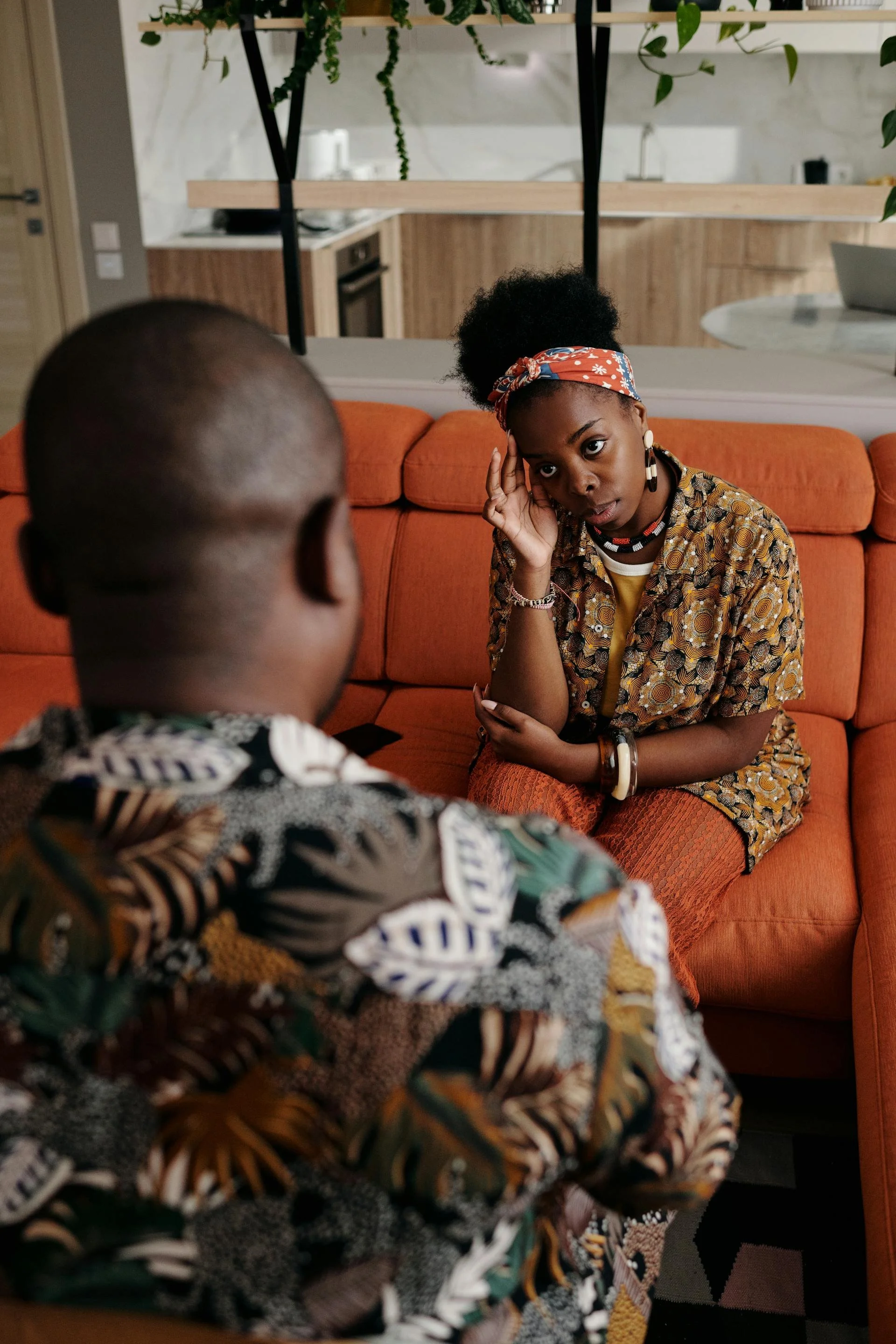
If you've ever felt like your relationship has a script it keeps following — one of you gets upset, reaches out, pushes for connection; the other goes quiet, pulls back, shuts down — you're not alone. And you're not broken. You've just gotten stuck in one of the most common relationship patterns there is.
In couples therapy, we call this the pursuer-withdrawer cycle. It shows up in relationships across every background, every age, every kind of couple. And it tends to intensify the longer it goes unaddressed.
Here's how it usually works: the pursuer feels disconnected and anxious. They reach out — sometimes gently, sometimes with frustration — because connection is how they feel safe. The withdrawer feels overwhelmed or flooded. They go quiet — sometimes to protect themselves, sometimes to avoid making things worse — because space is how they regulate.
From the outside, it looks like one partner doesn't care and one partner is too much. From the inside, both partners are scared. The pursuer is scared of being abandoned. The withdrawer is scared of being inadequate, of failing, of the conflict escalating further.
The painful irony: the more one pursues, the more the other withdraws. The more one withdraws, the more the other pursues. The cycle feeds itself.
What helps is not trying to change who you are, but understanding what you're each doing and why. Emotionally Focused Therapy works directly with this cycle — helping both partners see that their reactions make sense given what they're carrying, and helping them find new ways to reach for each other.
If you recognize yourself in this pattern, know that it can shift. Many couples who feel completely stuck in this dynamic find their way through — not by becoming different people, but by learning to see each other more clearly.