When You Love Each Other But Want Really Different Things
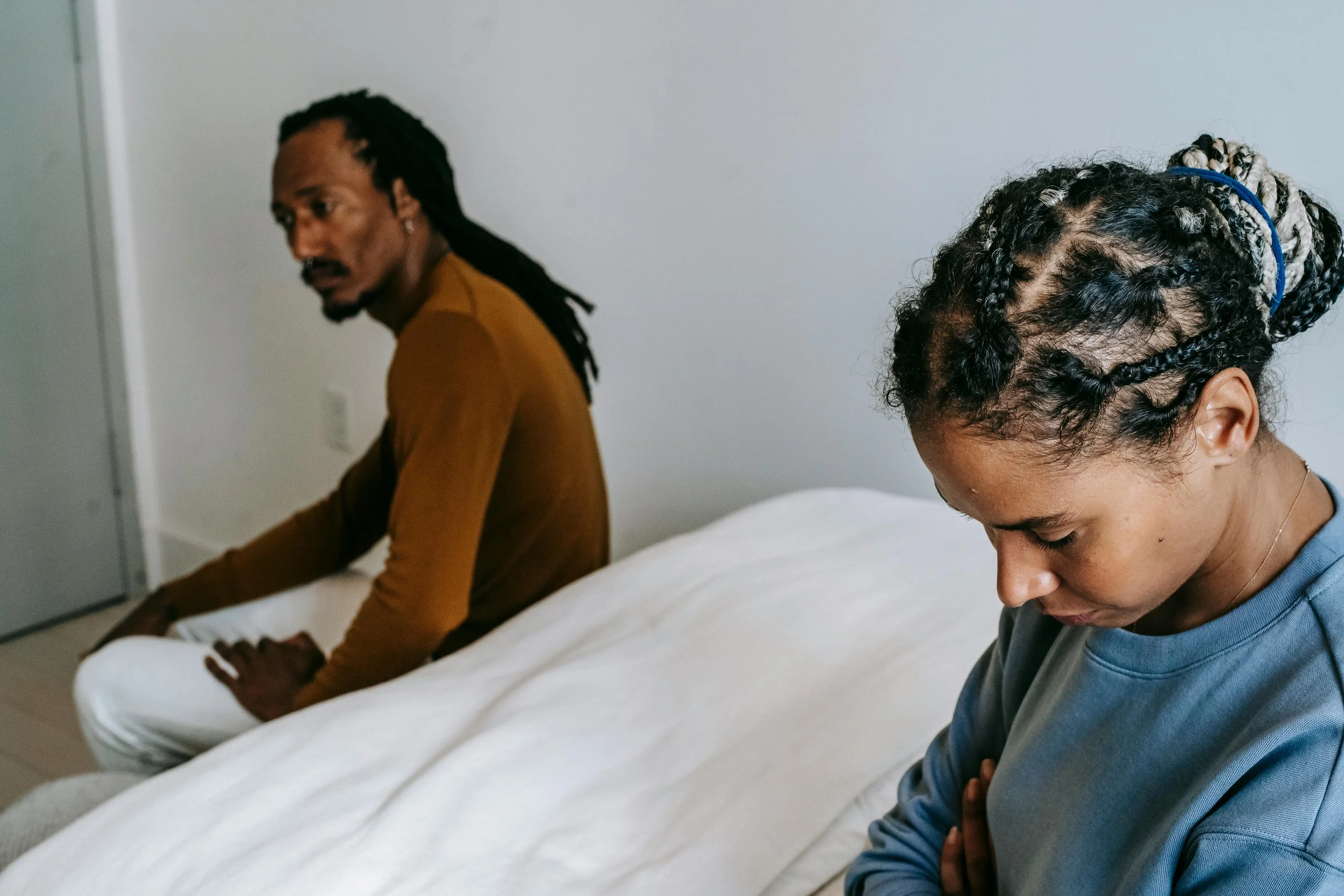
I want to tell you about a couple I worked with a while back — I’ll call them, in my head, “the planners and the wanderers,” because that’s sort of how it felt. One of them needed structure. Plans, schedules, knowing what was coming. The other one thrived on spontaneity — last-minute decisions, leaving things open, seeing what the day brought.
Individually, these aren’t unusual traits at all. But together, in the context of a shared life — vacations, weekends, even just evenings — these two approaches kept bumping into each other. One partner would plan something out, excited about it, and the other would feel a little boxed in, like the spontaneity had been planned out of the experience. Or the other partner would suggest doing something on a whim, and the planner would feel anxious — like, wait, we don’t have a plan for this, how is this going to work?
Neither of them was doing anything wrong. They just genuinely wanted different things, in a pretty fundamental way.
“Are We Just Not Compatible?”
This is the question that came up, more than once, in our early sessions. And I think it’s a question a lot of couples quietly wonder about, even if they don’t say it out loud. When you keep running into the same kind of mismatch — not about one specific thing, but about a deeper way you each move through life — it can start to feel like maybe the problem is bigger than any individual disagreement. Maybe you’re just… not compatible.
I want to gently push back on that idea, though — or at least offer another way of looking at it.
Different Doesn’t Mean Incompatible
Here’s something I’ve come to believe pretty strongly: almost every long-term couple is made up of two people who are different from each other in some fundamental ways. That’s actually pretty normal — in some ways, it’s part of what makes a partnership interesting. The question isn’t really “are we different,” because the answer to that is almost always yes. The question is more like: can we find a way to hold both of our different needs, without either of us having to give up who we are?
For “the planners and the wanderers,” this looked like finding a kind of middle ground that didn’t ask either of them to become a different person. They started doing something like this: for bigger trips or events, they’d build in some planned anchors — a few things that were locked in, that the planner could feel grounded by — but they’d also intentionally leave some blocks of time completely open, with no plan at all, which gave the wanderer the spontaneity they needed.
It sounds simple when I describe it like that. But getting there took some real conversations — not just about logistics, but about what was underneath each of their preferences. For the planner, having a plan wasn’t really about control for its own sake — it was about feeling safe. Not knowing what was going to happen made them anxious, and having some structure helped them relax enough to actually enjoy things. For the wanderer, too much planning made things feel less alive somehow — like the joy got planned out of it before it even happened.
Once they understood why each of them wanted what they wanted — not just that they wanted it — it became a lot easier to find ways to honor both.
The Goal Isn’t Sameness
I think sometimes couples — and honestly, our culture in general — operates on this idea that being a good match means being similar. Liking the same things, wanting the same things, approaching life the same way. And when two people in a relationship are different, it can feel like evidence that something’s off.
But in my experience, the couples who do really well over the long haul aren’t usually the ones who are the most similar. They’re the ones who’ve gotten curious about their differences instead of treating them as problems — who’ve found a way to be a “we” that includes both of who they actually are, rather than one person slowly becoming more like the other (or both people quietly resenting the parts of themselves they’ve had to set aside).
If You’re in a “We Want Different Things” Place
If you and your partner keep running into a version of this — not necessarily about planning and spontaneity, but about some deeper difference in how you each approach things — I want to say: that doesn’t mean something is wrong with your relationship. It might just mean there’s an opportunity to get curious, together, about what’s underneath those differences, and what it might look like to make room for both.